Plant Community Response to Grazing
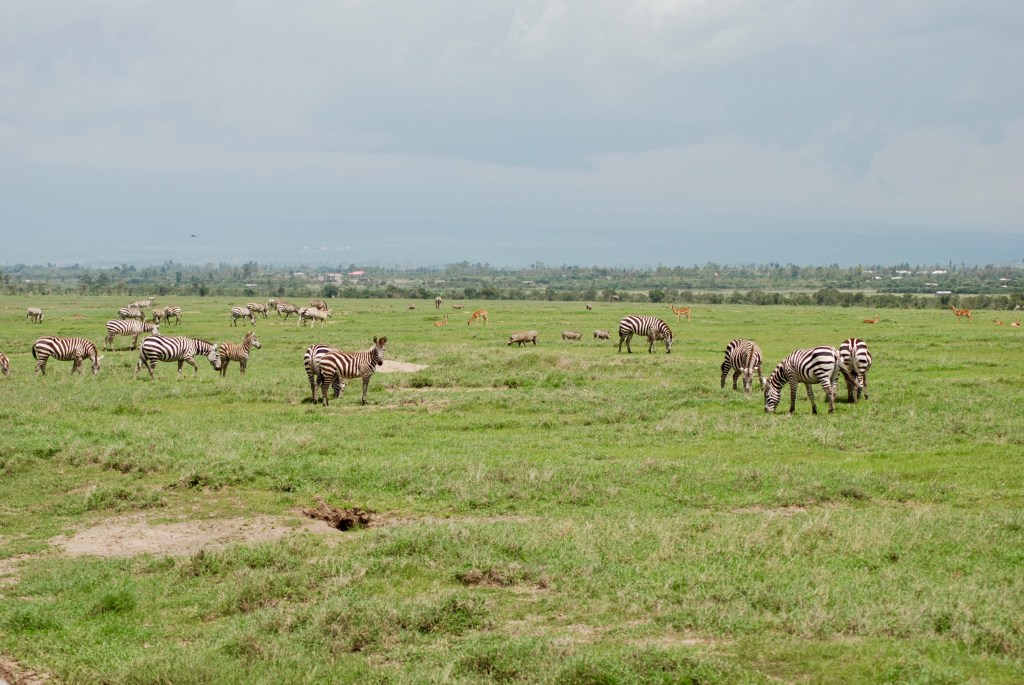
The impacts of livestock grazing on plant communities has mixed effects. Some ecosystems benefit from grazing, while in others experience biodiversity and productivity loss. This project tests if slight variations in abiotic factors explain why grazing studies in similar plant communities can produce such differing results.
Plant Mortality
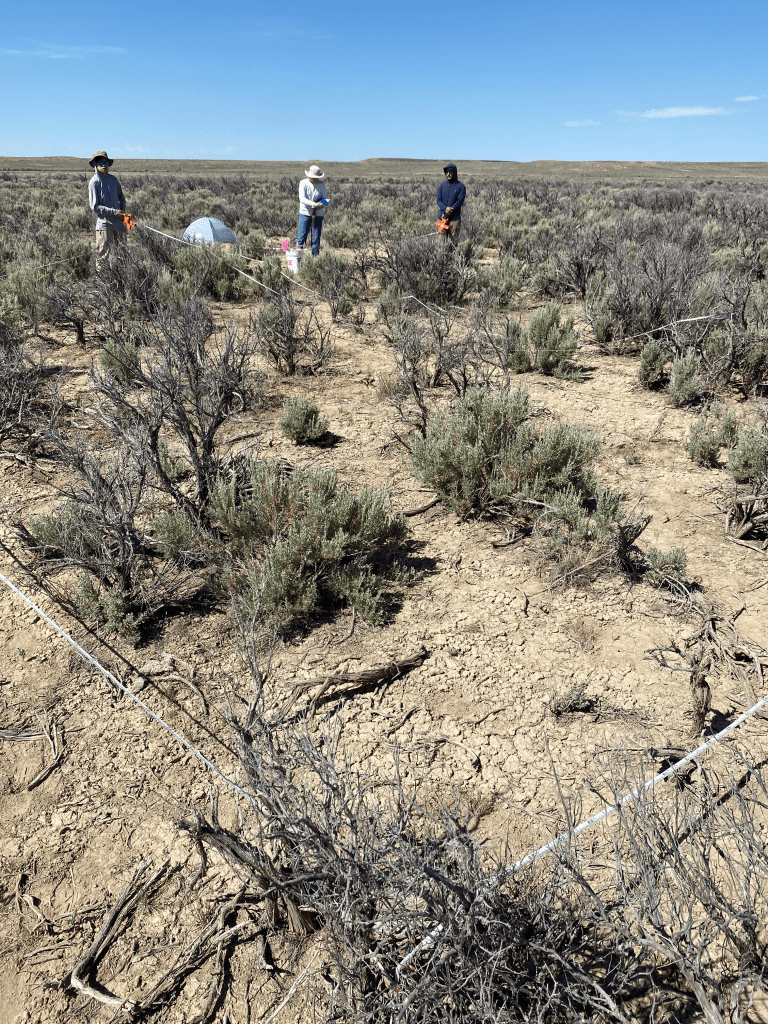
Plant communities faced with increased frequency of extreme climate events have begun to experience stand-level plant mortality. This research seeks to identify the factors that influence the resilience of ecosystems following a mortality event. To study the differential recovery of plant communities, we are sampling plots across the upper Green River Basin (UGRB) of southwest Wyoming that experienced a mortality event in 2012-2013. The mortality event serves as a natural experiment to test how abiotic factors influence resilience.
Grazing and Climate Change
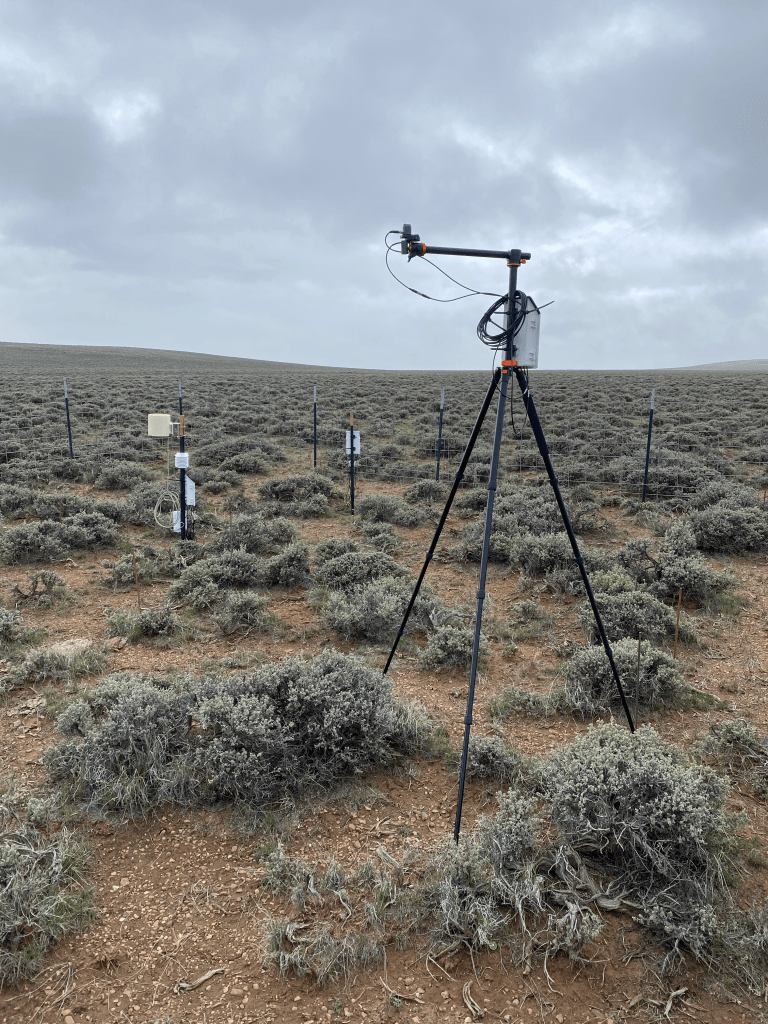
The upper Green River Basin in southwestern Wyoming contains key migration pathways and winter forage for mule deer and pronghorn in the Greater Yellowstone Ecosystem (GYE). This project aims to understand how grazing pressure interacts with projected climate futures has critical implications for conservation practices and land management decisions. We simulate shifting precipitation patterns across variable grazing intensities in big sagebrush (Artemisia tridentata Nutt.) plant communities to understand how these factors influence community structure and function.
 Carpenter Ecology